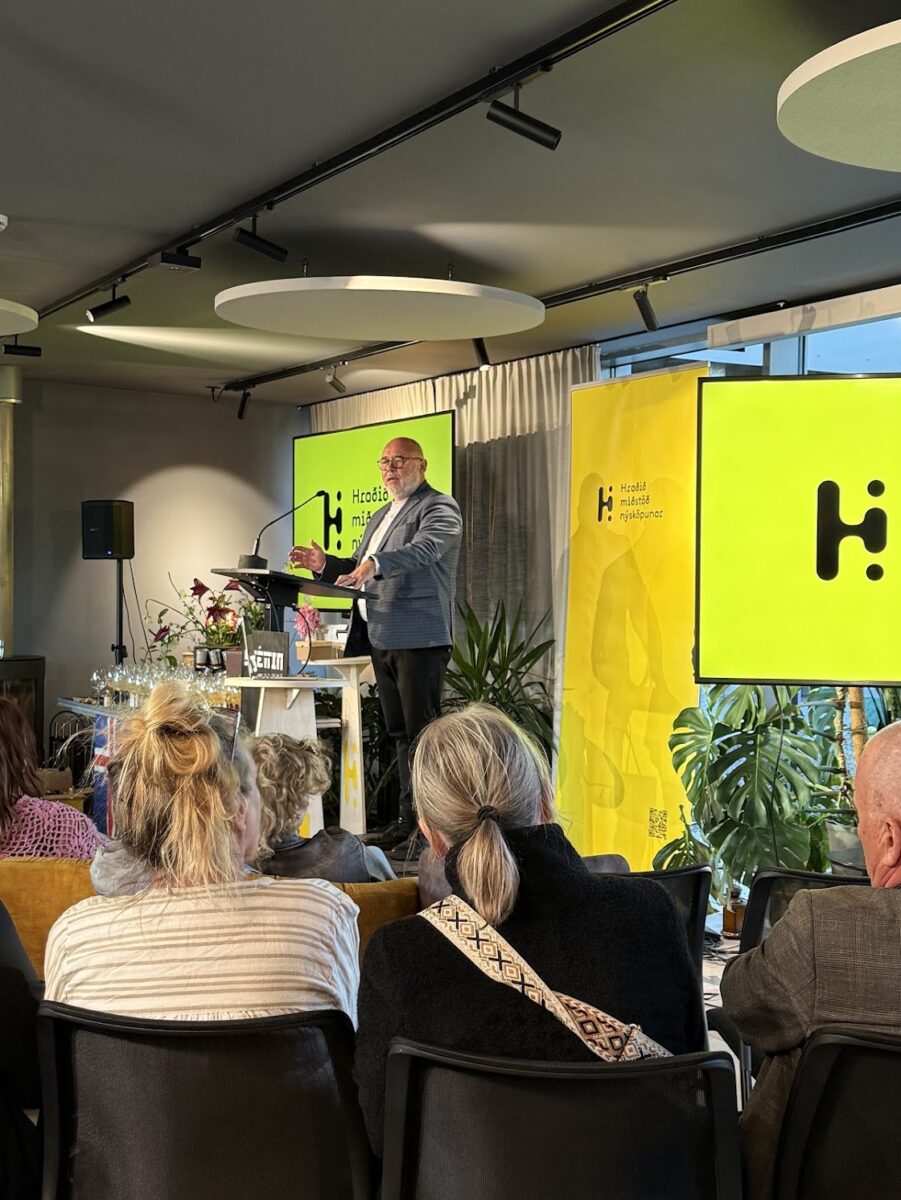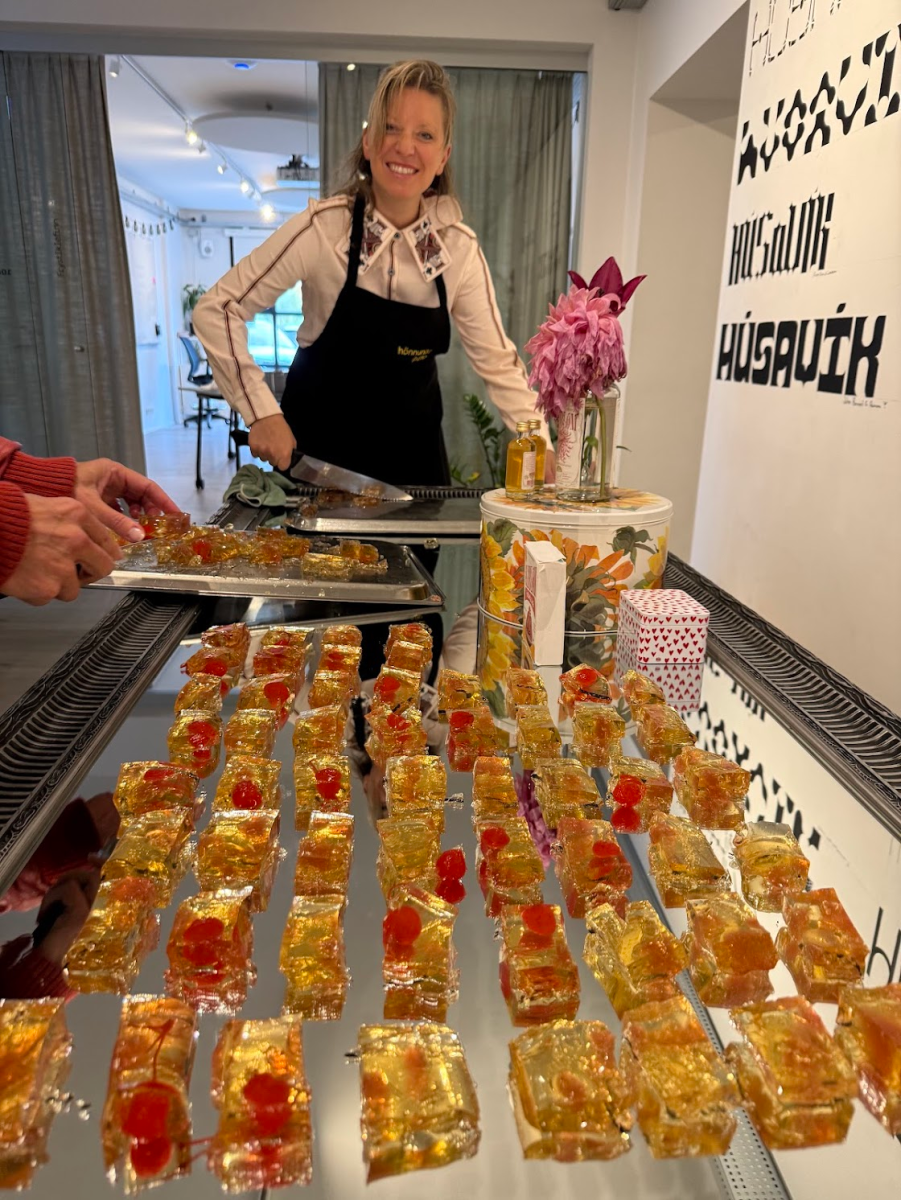
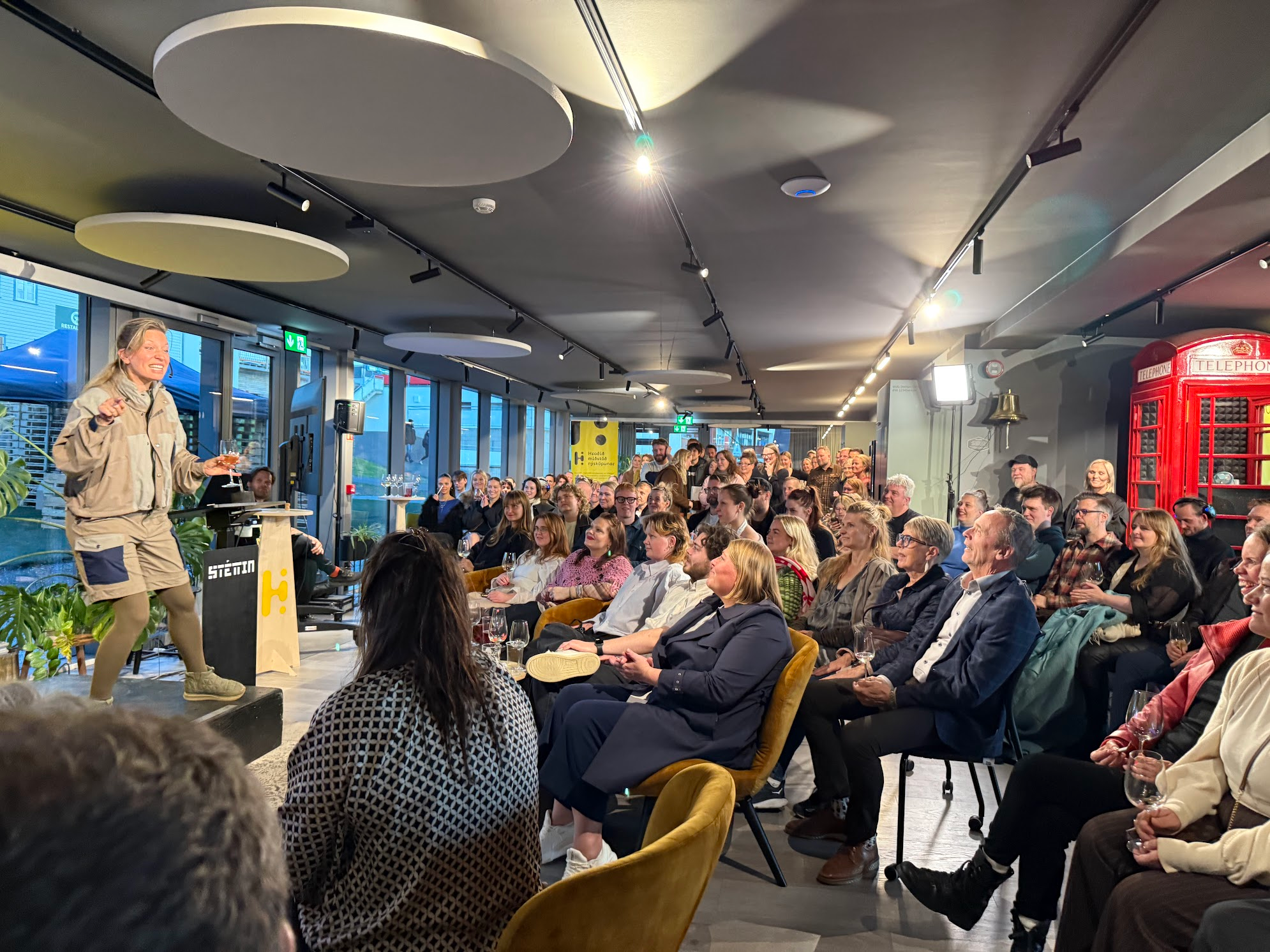
This weekend, the annual festival of design and innovation, DesignThing, took place in Húsavík. The conference's diverse events were packed to the rafters, but this year the focus was on food, which was given special prominence and connected different disciplines in a new and creative way.
The conference took place at Stéttinni in Húsavík, where a lively atmosphere prevailed throughout the weekend, as participants, speakers and guests came together to share ideas, exchange experiences and discuss new opportunities. From these conversations, numerous ideas and connections were formed, which will be interesting to follow in the coming months.
The programme included, among other things, a speech by the Minister of Culture, Innovation and Higher Education, Logi Einarsson, lectures by entrepreneurs and designers, exhibitions, culinary creations and musical performances. The projects and presentations shed light on how creative industries and entrepreneurship can intersect in a variety of ways, creating new connections, ideas and experiences.
Emphasis was placed on ensuring the event was accessible to all, with interpretation provided for all items on the programme. Restaurants in Húsavík also took part in the event by experimenting with new ingredients and flavour combinations. Among these was kolmunna, which until now had mainly been used in flour production but was now given a new role on guests' plates.
Design Conference is being organised by Hraðið – the Innovation Centre in Húsavík – with product designer Stefán Pétur Sólveigarson at the helm. The North East Iceland Regional Development and Municipalities Organisation (SSNE) is a partner in the project, focusing on raising awareness of opportunities in innovation, culture and the creative industries. The event also aims, among other things, to open people's eyes to the possibilities of working in design and the creative industries across the country.
The Design Conference programme was diverse, covering topics ranging from insect protein, the circular economy and waste heat to packaging design, flavour training, ceramic art, biodiversity and the use of raw materials. The programme also covered community, food traditions, craftsmanship, sustainability, design protection, branding, and a vision for the year 2050. Through this diverse range of topics, the aim was to demonstrate how creative thinking can connect different disciplines and spark new sparks of innovation.